
How To Get Rid Of Panda Eyes
5th January 2026 |
By Mr Aftab Ahmed
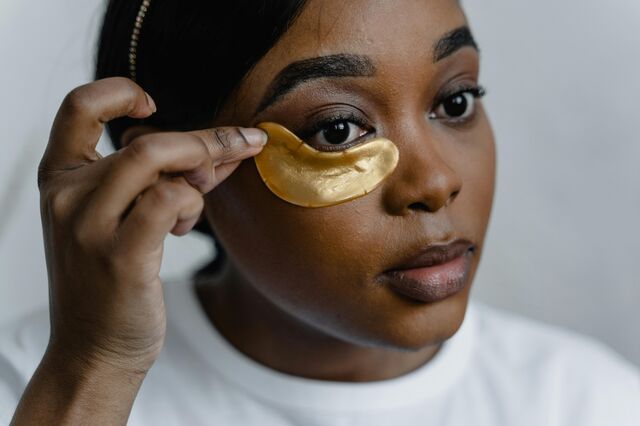
If you’ve ever looked in the mirror and noticed tired-looking eyes staring back, you’re not alone. So-called panda eyes, a common term for dark circles under the eyes, puffy eye bags, or persistent shadows, can affect anyone. The skin around the under eye area is delicate and thin, making it particularly prone to visible blood vessels, discolouration, and swelling. Dark eye circles can be caused by several factors, including lack of sleep, genetics, age, allergies, and even too much sunlight.
For many people, lifestyle changes and home remedies may be enough to reduce puffiness and treat dark circles. But if you’ve already tried everything, from eye creams to cold compresses and still feel like your eyes begin the day looking tired, you may be wondering what other treatment options are available.
Natural Ways to Get Rid of Panda Eyes
Not all cases of dark eye circles or puffy eyes need medical intervention. In many cases, small lifestyle changes and home remedies can make a noticeable difference. Below are simple, proven ways to reduce dark circles, ease swelling, and brighten the under eye area.
Prioritise Sleep and Hydration
One of the most common causes of circles under the eyes is not getting enough sleep. Poor sleep can cause the skin beneath the eyes to appear dull, and may even darken the area by making blood vessels more noticeable. Aim for 7–9 hours of quality sleep each night. Staying hydrated also helps to reduce puffiness and improve the overall appearance of the eye area.
Limit Salt and Alcohol Intake
Both salt and alcohol can cause fluid retention, leading to puffy eyes and making shadows or dark circles more prominent. Cutting back on salt-heavy meals and drinking water instead of alcohol, especially in the evenings, can help prevent waking up with eye bags.
Use Cold Compresses and Caffeine-Based Eye Creams
A quick and easy way to reduce swelling and puffiness is by applying a cold compress. This can help shrink visible blood vessels under the eyes and temporarily improve the appearance of dark under eye circles. For longer-term use, look for eye creams that contain caffeine, which helps constrict blood vessels and vitamin C or vitamin K, which can brighten and support the skin.
Gentle Massage and Lymphatic Drainage
Using your ring finger to gently massage the delicate eye area can improve circulation and help with fluid buildup. This simple technique encourages lymphatic drainage, which can reduce puffiness and lighten the appearance of under eye circles. Some people also find that using an extra pillow at night helps reduce overnight swelling by stopping fluid from pooling under the eyes.
Protect Your Skin from the Sun
Sun exposure is a lesser-known contributor to periorbital hyperpigmentation, particularly in darker skin tones. Using SPF around the eye area helps prevent dark circles from worsening due to UV damage. Choose a mineral-based SPF that won’t irritate the skin around the eyes, and pair it with topical treatments like vitamin C to tackle pigmentation.
Tackle Allergies and Eye Strain
Allergies and eye strain can both worsen dark eye circles by causing inflammation or making you rub your eyes, which breaks down collagen and irritates the skin. Managing allergies, limiting screen time, and using antihistamines where appropriate can reduce puffiness and improve overall appearance.
When Natural Remedies Aren’t Enough
While home remedies and lifestyle changes can help many people reduce dark circles, they don’t always work for everyone. In some cases, the problem isn’t just pigmentation, it’s related to excess fat, loose skin, or deeper shadows caused by ageing or tear troughs. These clinical patterns are more structural, and no amount of cold compresses or eye creams can fully address them.
If the appearance of dark circles is persistent, especially if accompanied by puffy eye bags or drooping upper lids, you might want to consider medical treatments. One of the most effective and minimally invasive options is Upper Blepharoplasty.
Upper Blepharoplasty for Dark Circles and Tired Eyes
What Is Upper Blepharoplasty?
Upper blepharoplasty is a minor surgical procedure that removes excess skin and sometimes fat from the upper eyelids. It’s designed to open up the eye area, reduce heaviness, and restore a fresher, more rested appearance.
Although it doesn’t directly remove dark circles under the eyes, it can dramatically improve the way light hits the face and reduce the shadows that contribute to a tired look. In many cases, treating the upper eyelids also enhances the overall appearance of the under eye area.
Why Consider Upper Blepharoplasty for Panda Eyes?
For many people, dark circles under the eyes are caused by a combination of drooping upper lids, puffiness, and visible blood vessels or hollows beneath the eyes. When this is the case, upper blepharoplasty can improve the eye contour and reduce the depth of shadows that make the eyes look tired.
By lifting the upper eyelids, the skin becomes smoother, and the natural eye shape is revealed. This change can reduce the contrast between the lid and under-eye, softening the appearance of panda eyes and dark eye circles, especially when combined with good skincare and other treatment options like chemical peels or dermal fillers.
Who Might Benefit Most?
You might be a good candidate for upper blepharoplasty if:
- You have loose skin or heaviness in the upper eyelids
- The appearance of your eyes makes you look constantly tired
- Dark circles or shadows persist even after trying other treatments
- You’re in good general health and looking for a subtle, natural-looking refresh
Performed by Mr Aftab Ahmed in Nottingham & Doncaster
Mr Aftab Ahmed is a highly experienced facial surgeon offering upper blepharoplasty consultations in both Nottingham and Doncaster. For those who feel their dark under eye circles are not improving with natural approaches, a consultation can help assess whether surgery is the right next step.
Patients benefit from:
- Same-day consultations (where appropriate)
- Expert-led care in modern, well-equipped clinics
- A gentle, tailored approach that puts your goals and comfort first
Choosing the Right Path for You
Dealing with dark circles under the eyes can be frustrating, especially when it feels like you’ve tried every eye cream, cold compress, or home remedy going. While lifestyle changes like better sleep, hydration, and sun protection can often help reduce dark circles, they’re not always enough, particularly when puffy eyes, tear troughs, or excess skin are involved.
If you’ve been struggling with panda eyes for some time and they’re starting to affect your confidence, it may be worth exploring medical treatments such as upper blepharoplasty. The right approach depends on your individual skin type, age, and what’s causing your under eye circles, whether that’s visible blood vessels, periorbital hyperpigmentation, or changes in collagen and fat distribution.
Everyone’s journey is different, and there’s no one-size-fits-all answer. Whether you’re looking to refresh your appearance naturally or interested in subtle, professional intervention, understanding your treatment options is the first step.
Frequently Asked Questions About Getting Rid of Panda Eyes
How long does upper blepharoplasty take?
The procedure typically takes around 45 minutes to 1 hour and is usually carried out under local anaesthetic. It’s a straightforward day-case treatment that doesn’t require an overnight stay.
What is recovery like after upper eyelid surgery?
Most people experience mild swelling and bruising for about a week. You may be advised to take a few days off work, use cold compresses, and avoid heavy lifting. Final results can be appreciated after several weeks as the eye area settles and heals.
Can dark circles be removed permanently?
That depends on the cause. If your dark eye circles are due to lifestyle factors like poor sleep, dehydration, or eye strain, addressing those can lead to lasting improvement. However, if they’re caused by genetics, age-related changes, or tear troughs, they may require medical treatments like dermal fillers, chemical peels, or blepharoplasty to achieve long-term results.
Are darker skin tones more prone to dark circles?
Yes, individuals with darker skin tones are more likely to experience periorbital pigmentation, where melanin builds up in the skin beneath the eyes. Sun protection and pigment-targeting topical treatments, like vitamin C, can help manage this.
Do allergies cause dark under eye circles?
Absolutely. Allergies can cause inflammation and lead to rubbing of the eye area, which worsens the appearance of dark circles. Treating underlying allergies and avoiding triggers can help prevent dark circles from becoming more noticeable.