
Cosmetic Lower Blepharoplasty
Cosmetic lower blepharoplasty is a surgical procedure that removes or repositions excess fat and skin from the lower eyelid to reduce under-eye bags and smooth the area beneath the eyes.
Mr Aftab Ahmed performs cosmetic lower blepharoplasty for patients suffering from under-eye bags, puffy eyelids and dark circles in cosmetic clinics in Nottingham and Doncaster.
What Is Cosmetic Lower Blepharoplasty?
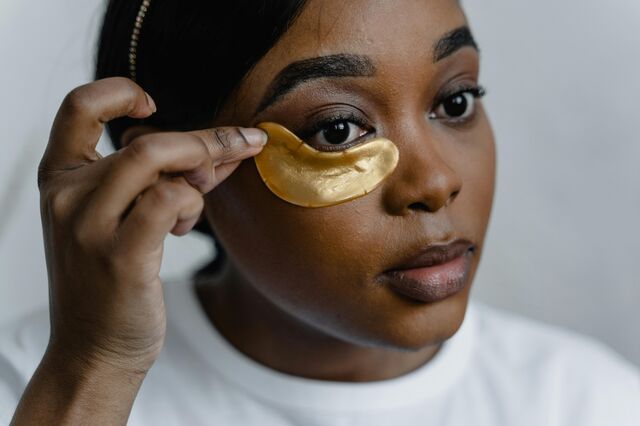
Cosmetic lower blepharoplasty is a surgical procedure that addresses the appearance of the lower eyelid and under-eye area. It can involve the removal or repositioning of fat, the tightening of skin and muscle, or a combination of these approaches depending on what is causing the patient's concerns.
Unlike non-surgical treatments that offer temporary improvement, lower blepharoplasty produces lasting structural change, addressing the underlying cause of the problem rather than simply masking it at the surface.
What It Can Address
- Puffy or baggy lower eyelids caused by fat prolapse
- Loose or crepey skin beneath the eye
- Fine lines and wrinkles in the lower eyelid skin
- Hollowing or a tear trough depression beneath the eye
- A combination of fat excess and hollowing in the same patient
Understanding Lower Eyelid Anatomy
The lower eyelid is a complex, layered structure. Understanding its anatomy is essential to appreciating how lower blepharoplasty works and why different techniques are suited to different concerns.
- Skin — the thinnest skin on the body; shows wrinkling and crepiness with age
- Orbicularis oculi muscle — the circular muscle around the eye; contributes to lid tone and lower lid position
- Orbital septum — a fibrous layer behind the muscle; holds orbital fat in place and weakens with age
- Orbital fat — three distinct fat compartments; prolapses forward as the septum weakens, creating bags
- Tear trough ligament — attaches the lid to the bone; creates the hollow appearance when fat descends
Approaches to Cosmetic Lower Blepharoplasty
There are two primary surgical routes for accessing the lower eyelid, each suited to different presentations.
Transcutaneous Approach
The incision is made just below the lower lash line. Best suited for skin excess, muscle laxity, and fat removal or repositioning.
Transconjunctival Approach
The incision is made inside the lower eyelid, leaving no external scar. Best suited for fat removal or repositioning without skin excess.
The choice between these approaches is one of the most important decisions in lower blepharoplasty planning, and is determined by the degree of skin laxity, the amount of fat prolapse, and the overall condition of the lower eyelid.
The Surgical Tools Used
Access and Visualisation
- Fine Colorado needle or scalpel for a precise incision along the lash line in transcutaneous cases
- Retractors and eyelid plates to protect the eye and maintain visibility during dissection
- Loupe magnification for working within the fine structures of the lower eyelid
- Bipolar diathermy for meticulous haemostasis in a highly vascular area
Fat Management
- Fine scissors for releasing and isolating the fat compartments
- Monopolar cautery for fat removal where excision is the chosen approach
- Fine sutures for fat repositioning over the orbital rim where preservation is preferred
Skin and Muscle Work
- Fine scissors for precise skin and muscle excision in transcutaneous cases
- Skin hooks for handling delicate lower eyelid skin without trauma
- Fine non-absorbable sutures for lash line closure, removed at five to seven days
Is Cosmetic Lower Blepharoplasty Right for You?
Who Makes a Good Candidate?
- Men and women with puffy or baggy lower eyelids that have not responded to non-surgical treatments
- Those with loose or crepey lower eyelid skin
- Patients who look tired, sad, or older than they feel because of the under-eye area
- Individuals in good general health with realistic expectations about what surgery can achieve
- Those with stable eye health and no history of dry eye disease that has not been assessed
What It Cannot Address
Lower blepharoplasty is a powerful procedure but it has limits. It does not address:
- Dark circles caused by pigmentation rather than shadow from fat or hollowing
- Mid-face descent that is contributing to the appearance of lower eyelid bags
- Significant hollowing of the tear trough in isolation, which may be better addressed with fat repositioning or filler
The Snap Test
A simple assessment of lower eyelid tone can be performed before consultation. Gently pull the lower eyelid downward and release it. If it returns quickly to its position, eyelid tone is good and most techniques are suitable. If it returns slowly or requires a blink to snap back, additional support of the lower lid may be needed during surgery.
What to Expect: Recovery Week by Week
Immediate Recovery
Swelling and bruising around both eyes is expected and typically peaks in the first 48 hours. Cold compresses applied gently help manage bruising, and keeping the head elevated during sleep is important. Eye drops or ointment may be prescribed to keep the eye surface comfortable.
Early Progress
Bruising begins to yellow and fade, and swelling reduces noticeably. Sutures at the lash line are removed toward the end of this period in transcutaneous cases, and most patients feel comfortable at home.
Returning to Normal
Most patients feel comfortable returning to work, particularly in desk-based roles. Residual swelling and bruising can be covered with makeup from around day ten, and the eye area continues to settle.
Resuming Daily Life
Light activity and gentle exercise can be reintroduced. The lower eyelid feels less tight and more natural, and residual swelling around the outer corners of the eyes continues to resolve.
Final Results
Full settling of the lower eyelid tissues is complete, and the improvement in puffiness, skin quality, and overall eye appearance is clearly established. Lash line scars, in transcutaneous cases, are typically very difficult to detect by this point.
Clinical Outcomes: What to Expect Long Term
- Longevity: Results from lower blepharoplasty are long lasting, typically remaining stable for ten or more years
- Fat management: Where fat is repositioned rather than removed, results tend to look more natural and avoid the hollow appearance associated with aggressive fat excision
- Skin improvement: The fine skin of the lower eyelid continues to improve in quality as swelling resolves and internal healing completes
- Satisfaction: Consistently among the highest of any facial procedure, particularly in patients with well-defined fat prolapse
Potential Risks and Considerations
Common and Temporary
- Bruising and swelling around the eyes, typically resolving within two weeks
- Temporary dry eye symptoms or increased tear production
- Mild chemosis, a swelling of the clear membrane covering the eye surface
Less Common Risks
- Lower eyelid retraction, where the lid is pulled slightly downward during healing
- Ectropion, an outward turning of the lower eyelid, more common in patients with poor lid tone
- Asymmetry during the healing period
Rare Risks
- Damage to the eye itself, which is extremely rare when surgery is performed by an experienced oculoplastic or facial surgeon
- Persistent dry eye in patients with pre-existing tear film problems
Financial Considerations
- Eye drops and ointments during recovery
- Time off work, typically one to two weeks
- Follow-up appointments to monitor eyelid position and healing
- Potential need for revision in rare cases
Cosmetic lower blepharoplasty is one of the most rewarding procedures in facial rejuvenation. When the correct approach is chosen and the fat is managed appropriately for each patient's anatomy, the result is a fresher, more rested eye area that looks completely natural.

Mr A Ahmed
MB ChB, MRCS, FRCS (ORL-HNS)Mr Ahmed has trained as an ENT Surgeon with subsequent Fellowship training in Facial Plastic & Reconstructive Surgery in America and Europe.




EAFPS
European Academy Fellowship of Facial Plastic and Reconstructive Surgery
RCSEd
Fellow of the Royal College of Surgeons of Edinburgh
ENT UK
The professional membership body promoting excellence in ENT
Book my Consultation

Book a consultation now, fill in your details and we’ll call you back. Start discovering your true self today.
Our opening hours are Monday to Friday 9am-7pm.
- Get to know Mr Ahmed
- All your questions answered
- Get procedures recommendations
- Get advice on next steps
Facial Plastic Surgeon Nottingham – The Park Hospital
The Park HospitalSherwood Lodge Drive
Burntstump Country Park
NG5 8RX Find out more
Facial Plastic Surgeon Nottingham – Woodthorpe Hospital
Woodthorpe Hospital748 Mansfield Road
Nottingham
NG5 3FZ Find out more