
Ethnic Lower Blepharoplasty
Ethnic lower blepharoplasty is a surgical procedure adapted to the anatomical variations in eyelid structure, skin thickness and fat distribution seen across different ethnic backgrounds. The surgeon tailors the technique, and the amount of fat and skin addressed, to preserve the patient's natural eyelid shape and avoid a result that looks out of keeping with their facial features.
Mr Aftab sentence:
Mr Aftab Ahmed performs ethnic lower blepharoplasty for patients suffering from under-eye bags, puffiness and a tired appearance, tailored to their individual eyelid anatomy, in cosmetic clinics in Nottingham and Doncaster.
What is Ethnic Lower Blepharoplasty?
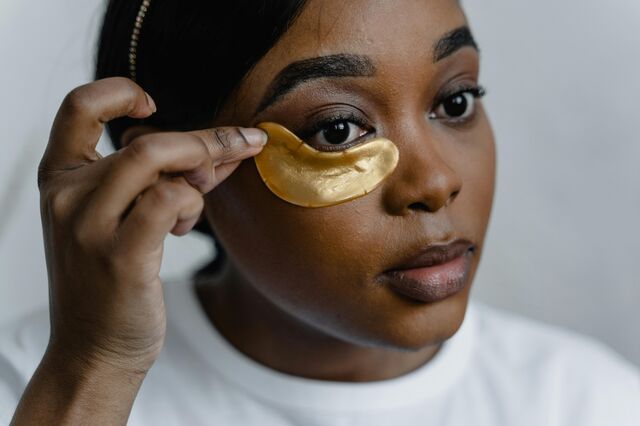
Ethnic lower blepharoplasty is lower eyelid surgery that is adapted in its planning, technique, and aesthetic goals to reflect the specific anatomical and healing characteristics of patients from non-Caucasian ethnic backgrounds. The core surgical techniques remain the same, but the application of those techniques, the degree of intervention, the scar management strategy, and the definition of a natural result are all modified accordingly.
How Ethnic Background Influences Lower Eyelid Anatomy
Ethnic Background
Common Lower Eyelid Characteristics
Surgical Consideration
East Asian
Epicanthal fold, different orbital fat distribution, flatter orbital rim
Fat management must respect natural eyelid shape
African and Afro-Caribbean
Thicker dermis, stronger collagen, higher keloid risk
Conservative skin removal, extensive scar management
South Asian
Variable fat distribution, tendency toward hyperpigmentation, prominent tear trough
Scar care essential, tear trough often requires attention
Middle Eastern
Often significant suborbital fat, thicker skin
Conservative fat removal to maintain ethnic facial harmony
Hispanic and Latino
Good skin elasticity, prominent tear trough in some patients
Fat repositioning often appropriate
The Epicanthal Fold: A Key Consideration in East Asian Patients
The epicanthal fold, the skin fold of the upper eyelid that covers the inner corner of the eye, is a defining anatomical characteristic in many East Asian patients. While it affects the upper eyelid primarily, it influences lower eyelid surgery in important ways:
- The medial lower eyelid fat compartment sits differently in patients with an epicanthal fold
- The inner corner of the eye requires careful handling to avoid disrupting the natural contour of the medial canthus
- Surgical planning must ensure that the lower eyelid result is harmonious with the upper eyelid anatomy, which may or may not have been surgically altered
The goal is never to eliminate ethnic characteristics but to address the concern the patient has presented with while preserving their natural appearance.
The Surgical Tools Used
Modified Approach for Thicker Skin
- Sharper dissection instruments suited to denser dermal layers in patients with thicker skin
- More conservative skin removal measured carefully to reduce tension on the lash line
- Loupe magnification for precision in the lower eyelid
Scar-Conscious Closure
- Buried dermal sutures to keep surface tension minimal
- Fine monofilament sutures for the most precise possible skin closure
- Skin closure strips as an adjunct during healing
Ethnic Fat Distribution Considerations
- Individual compartment assessment particularly important as fat distribution varies by ethnicity
- Conservative removal to avoid the hollow or skeletonised appearance that is inconsistent with the patient's natural facial proportions
- Arcus marginalis release where fat repositioning is being performed, with careful attention to the medial canthal anatomy in East Asian patients
Is Ethnic Lower Blepharoplasty Right for You?
Who Makes a Good Candidate?
- Men and women from any ethnic background seeking lower eyelid improvement with a surgeon experienced in ethnic anatomy and aesthetics
- Patients who want results that look natural within their own facial context
- Those with concerns about scarring or pigmentation who want these addressed proactively in the surgical plan
- Individuals whose cultural identity is important to them and who want a surgeon who understands this
Consultation: What to Discuss
- Personal and family history of keloid or hypertrophic scarring
- Previous surgical scars and how they healed
- Skin tone and any history of hyperpigmentation
- Cultural and personal preferences regarding appearance
- Specific goals for the lower eyelid area
Preserving Ethnic Identity
A key principle in ethnic lower blepharoplasty is the distinction between rejuvenation and alteration. The aim is to address specific concerns, whether fat prolapse, skin laxity, or tear trough hollowing, without changing the fundamental character of the patient's eyes. Surgical planning should always begin with a clear understanding of what the patient wants to preserve, not just what they want to improve.
What to Expect: Recovery Week by Week
Days 1 to 3: Immediate Recovery
- Bruising and swelling around the eyes
- Cold compresses and head elevation essential
- Lubricating eye drops as directed
Days 4 to 7: Early Progress
- Swelling and bruising begin to reduce
- Sutures removed if a transcutaneous approach was used
- Scar protection begins as soon as the wound is closed in transconjunctival cases
Week 2: Returning to Normal
- Most patients return to work and normal activities
- Sun protection is started immediately and continued consistently throughout healing
- Silicone gel application begins once the incision is healed
Weeks 3 to 4: Resuming Daily Life
- Light exercise reintroduced gradually
- Scar management continues diligently
Months 2 to 12: Scar Maturation and Final Results
- Lower eyelid contour results are visible from two to three months
- Scar maturation takes longer in patients with higher melanin levels and requires consistent management throughout
- Final scar appearance assessed at twelve months
Clinical Outcomes: What to Expect Long Term
- Contour results: Consistent with those achieved in any well-planned lower blepharoplasty when technique is appropriately adapted
- Scar outcomes: With diligent post-operative management, lash line scars can be well managed in the majority of patients
- Ethnic identity preservation: The most important marker of success, a result that looks like a rested, refreshed version of the patient rather than a different person
- Longevity: Results are as durable as in any other blepharoplasty, lasting ten or more years with appropriate technique
Potential Risks and Considerations
Specific to Ethnic Patients
- Hyperpigmentation along the lash line incision, particularly in patients with darker skin tones
- Hypertrophic scarring requiring steroid injection or other treatment
- Keloid formation in predisposed patients requiring extended management
- Disruption of the medial canthal anatomy in East Asian patients if medial compartment fat is not handled carefully
Common and Temporary
- Bruising and swelling around the eyes
- Temporary dry eye or altered tear production
- Chemosis of the conjunctiva
Less Common Risks
- Asymmetry during the healing period
- Residual puffiness or hollowing if fat management is not appropriately calibrated to the patient's anatomy
Financial Considerations
- Extended scar management protocol over twelve months
- Additional treatments such as steroid injections or topical agents if needed
- Time off work, typically one to two weeks
- Follow-up appointments over a longer period than in standard cases
Ethnic lower blepharoplasty, when planned by a surgeon with genuine experience across different ethnic anatomies, delivers results that are natural, respectful of the patient's identity, and lasting. The procedure is not about conforming to a single standard of appearance. It is about looking like the best, most rested version of yourself.
Would you like to discuss lower eyelid surgery with a surgeon experienced in ethnic anatomy and aesthetics? Book a consultation for a thorough and respectful assessment.

Mr A Ahmed
MB ChB, MRCS, FRCS (ORL-HNS)Mr Ahmed has trained as an ENT Surgeon with subsequent Fellowship training in Facial Plastic & Reconstructive Surgery in America and Europe.




EAFPS
European Academy Fellowship of Facial Plastic and Reconstructive Surgery
RCSEd
Fellow of the Royal College of Surgeons of Edinburgh
ENT UK
The professional membership body promoting excellence in ENT
Book my Consultation

Book a consultation now, fill in your details and we’ll call you back. Start discovering your true self today.
Our opening hours are Monday to Friday 9am-7pm.
- Get to know Mr Ahmed
- All your questions answered
- Get procedures recommendations
- Get advice on next steps
Facial Plastic Surgeon Nottingham – The Park Hospital
The Park HospitalSherwood Lodge Drive
Burntstump Country Park
NG5 8RX Find out more
Facial Plastic Surgeon Nottingham – Woodthorpe Hospital
Woodthorpe Hospital748 Mansfield Road
Nottingham
NG5 3FZ Find out more