
Reconstructive Rhinoplasty
Reconstructive rhinoplasty is a surgical procedure that rebuilds the structure of the nose following trauma, cancer surgery, birth defects, or significant damage to the cartilage and bone. The surgeon often uses cartilage grafted from elsewhere in the body, such as the ear or rib, to restore both the shape of the nose and its ability to function normally for breathing.
Mr Aftab Ahmed performs reconstructive rhinoplasty for patients suffering from nasal collapse, breathing difficulties and structural damage following trauma or previous surgery in cosmetic clinics in Nottingham and Doncaster.
What is Reconstructive Rhinoplasty?
Reconstructive rhinoplasty is a type of nose reshaping surgery designed to correct structural abnormalities affecting both appearance and nasal function.
This may involve:
- Repairing damage to the nasal bones and underlying bone
- Rebuilding cartilage lost through injury or previous rhinoplasty
- Addressing breathing difficulties caused by airway obstruction
- Restoring shape following skin cancer removal or trauma
While a traditional nose job or cosmetic rhinoplasty focuses on making the nose smaller or more refined, reconstructive surgery is centred on restoring normality, both functionally and aesthetically.
Reconstructive vs Cosmetic Rhinoplasty
Rhinoplasty is one of the most common plastic surgery procedures, but there is an important distinction between cosmetic surgery and reconstructive surgery.
Cosmetic Rhinoplasty:
Performed for aesthetic reasons, such as refining the shape or size of the nose. This may be carried out using techniques such as closed rhinoplasty or open rhinoplasty, depending on the complexity of the changes required.
Reconstructive Rhinoplasty:
Performed to correct structural abnormalities, functional concerns, or damage. In some cases, techniques such as open rhinoplasty or augmentation rhinoplasty are used to rebuild and support the nasal framework rather than reduce it.
Many patients undergoing reconstructive rhinoplasty experience breathing difficulties or functional issues that impact daily life, including nasal congestion, difficulty breathing, or disrupted sleep.
In some cases, reconstructive and cosmetic goals overlap, particularly when restoring both form and facial balance.
Causes of Nasal Damage and Structural Abnormalities
Reconstructive rhinoplasty may be required due to:
- Trauma or injury (including fractures affecting the nasal bones)
- Congenital defects present from birth
- Previous nose operations or failed rhinoplasty surgery
- Skin cancer removal
- Severe structural abnormalities affecting nasal airways
These conditions can lead to both visible deformity and functional problems, including sometimes breathing difficulties, nasal congestion, and reduced nasal function.
Functional Foundations: Breathing and Nasal Health
The nose plays a critical role in breathing function, filtering and regulating airflow through the nasal airways.
Structural abnormalities can lead to:
- Difficulty breathing
- Chronic nasal congestion
- Snoring or disrupted sleep
- Recurrent sinus issues
Reconstructive rhinoplasty addresses these issues by restoring internal structure, improving airflow, and supporting long-term nasal function.
Surgical Techniques: The Reconstructive Approach
Reconstructive rhinoplasty is highly individual and requires careful planning based on the extent of damage.
Minor Reconstruction
For smaller defects, the surgeon removes damaged tissue and reshapes the surrounding area using precise techniques.
Skin Grafts and Local Flaps
Where tissue loss has occurred, nearby tissue may be repositioned or grafted to restore the surface of the nose.
Advanced Reconstruction
In more complex cases, larger reconstructive techniques are used to rebuild the nose using tissue that closely matches the original in colour and texture.
Structural Reconstruction: Restoring the Nasal Framework
Successful reconstructive rhinoplasty requires rebuilding the nose at multiple levels.
This includes:
- Internal lining (to support airflow)
- Structural support using bone and cartilage
- External skin coverage
Cartilage grafts are often used to reinforce the nasal framework, ensuring long-term stability and natural results.
What Can Reconstructive Rhinoplasty Change? A Nasal Anatomy Guide
Reconstructive rhinoplasty focuses on restoring the nose, rather than simply reshaping it. Each part of the nose may be addressed depending on the extent of structural damage.
The Bridge (Nasal Bones)
Damage to the nasal bones or underlying bone can be repaired to restore a straight, balanced profile.
The Dorsum (Nasal Profile Line)
Irregularities in the profile can be corrected to rebuild a natural contour.
The Tip (Structure & Support)
The tip may be reconstructed using cartilage grafts to restore projection and definition.
The Septum (Airway Support)
The septum is often corrected to improve breathing function and support internal structure.
The Alar Base (Nostrils)
In some cases, the nostrils may also be reshaped to restore proportion and symmetry.
The Consultation Process in South Yorkshire & Nottinghamshire
Your initial consultation is a critical step in planning your treatment.
During this appointment:
- Your surgeon assesses structural abnormalities and nasal function
- Functional concerns such as breathing difficulties are evaluated
- A personalised treatment plan is created
This ensures every aspect of your reconstructive rhinoplasty is carefully planned for both functional and aesthetic success.
Procedure & Recovery Timeline
Recovery following reconstructive rhinoplasty varies depending on the complexity of the surgery.
The table below shows a recovery timeline of reconstructive rhinoplasty:
Phase
Timeframe
What to Expect
Initial Healing
First week
A splint held in place supports the nose. Swelling and bruising are expected
Early Recovery
Weeks 2–4
Most patients return to normal activities, though facial swelling may persist
Intermediate
Months 3–6
The nose becomes more defined as swelling reduces
Final Result
12–24 Months
Full healing occurs and final shape stabilises
During recovery:
- Avoid strenuous exercise for four to six weeks
- Avoid contact sports until cleared
- Avoid hot baths and excessive sun exposure
- Some patients may experience noticeable bruising or facial swelling
Risks and Potential Complications
As with any surgery, there are risks involved, although these are uncommon when performed by an experienced surgeon.
Potential complications may include:
- Minor bleeding or, rarely, heavy bleeding
- Infection or allergic reaction
- Blood clot formation
- Temporary nasal congestion or altered sense of smell
- In rare cases, further surgery or revision rhinoplasty may be required
There is always a small risk of complications, but careful planning significantly reduces these.
Long-Term Results and Considerations
Reconstructive rhinoplasty delivers long-term improvements in both appearance and breathing function.
While most patients see significant improvement, healing is gradual, and the final result may take time to fully develop. In complex cases, additional surgery or secondary rhinoplasty may be recommended to refine results.
Restoring Confidence and Function
Reconstructive rhinoplasty is more than nose reshaping, it is about restoring both function and confidence.
By addressing structural abnormalities and improving breathing function, this procedure can significantly enhance quality of life, reduce emotional or social problems, and improve self-esteem.
The goal is always the same: a nose that looks natural, functions properly, and feels like your own.
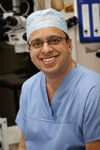
Mr A Ahmed
MB ChB, MRCS, FRCS (ORL-HNS)Mr Ahmed has trained as an ENT Surgeon with subsequent Fellowship training in Facial Plastic & Reconstructive Surgery in America and Europe.




EAFPS
European Academy Fellowship of Facial Plastic and Reconstructive Surgery
RCSEd
Fellow of the Royal College of Surgeons of Edinburgh
ENT UK
The professional membership body promoting excellence in ENT
Book my Consultation

Book a consultation now, fill in your details and we’ll call you back. Start discovering your true self today.
Our opening hours are Monday to Friday 9am-7pm.
- Get to know Mr Ahmed
- All your questions answered
- Get procedures recommendations
- Get advice on next steps
Facial Plastic Surgeon Nottingham – The Park Hospital
The Park HospitalSherwood Lodge Drive
Burntstump Country Park
NG5 8RX Find out more
Facial Plastic Surgeon Nottingham – Woodthorpe Hospital
Woodthorpe Hospital748 Mansfield Road
Nottingham
NG5 3FZ Find out more