
Tip Rhinoplasty
Tip rhinoplasty is a surgical procedure that reshapes only the tip of the nose, leaving the bony bridge untouched. The surgeon adjusts the cartilage that supports the tip to refine its shape, reduce bulbousness, or change its projection and rotation, making it a more limited procedure than a full rhinoplasty for patients whose main concern is the tip alone.
Mr Aftab Ahmed performs tip rhinoplasty for patients suffering from a bulbous, drooping, or asymmetric nasal tip in cosmetic clinics in Nottingham and Doncaster.
What is Tip Plasty?
Tip plasty is a specialised form of rhinoplasty designed to refine the shape, position, and structure of the nasal tip without altering the bony bridge.
The procedure focuses on the lower lateral cartilages, which define how the tip looks and behaves. Rather than removing tissue, modern techniques prioritise structural refinement and support, ensuring long-lasting, natural-looking results.
This makes tip plasty an ideal option for patients who are happy with the overall shape of their nose but want to address specific concerns in the tip.
Understanding Nasal Tip Anatomy
The nasal tip is one of the most complex and delicate areas of the nose. Its shape is determined by the lower lateral cartilages, which act together as a structural unit.
Small adjustments to these structures can significantly influence:
- Tip projection (how far the tip extends)
- Tip rotation (the angle of the tip)
- Overall symmetry and definition
The thickness of your skin also plays a key role. Thicker skin may soften definition, while thinner skin reveals more detail, meaning each approach must be carefully tailored.
Aesthetic Considerations: Shape, Light and Balance
Refining the nasal tip is not just about structure, it’s about how light interacts with the surface of the nose.
A well-shaped tip creates smooth transitions between the bridge and the nostrils, avoiding harsh shadows or overly sharp definition. The goal is a natural, balanced appearance that blends seamlessly with your facial features.
Careful attention is also given to angles, particularly the relationship between the nose and upper lip, to ensure the result feels proportionate and harmonious.
Common Concerns Addressed with Tip Plasty
Tip plasty is particularly effective for addressing:
A Bulbous Tip
A rounded or heavy tip caused by wider or thicker cartilage. This can be refined to create a more defined appearance.
A Drooping Tip
A tip that appears to fall downward, particularly when smiling. This can be lifted and stabilised to improve both profile and facial balance.
Asymmetry
Irregularities in the shape or position of the tip can be corrected to create a more symmetrical result.
Functional Concerns
In some cases, tip structure can affect airflow. Adjustments may be made to support the nasal valves and improve breathing.
Surgical Techniques Used in Tip Plasty
The choice of technique depends on your anatomy and the complexity of the changes required.
Open vs. Closed Approach
- Open Tip Plasty: Involves a small incision across the columella, providing full visibility for precise structural refinement
- Closed Tip Plasty: Performed through internal incisions, suitable for less complex adjustments with no external scar
Advanced Suturing Techniques
- Transdomal Sutures: Refine and narrow the tip
- Interdomal Sutures: Improve symmetry and definition
- Septal-Columellar (Tongue-in-Groove): Stabilises the tip and corrects drooping
Cartilage Grafting
Where additional support is required, cartilage may be used to strengthen and shape the tip:
- Septal cartilage (most commonly used)
- Ear cartilage for softer refinement
- Rib cartilage in more complex cases
These techniques ensure long-term stability and prevent unwanted changes over time.
The Consultation Process
During your consultation:
- Facial Assessment: Your nasal structure and facial proportions are carefully analysed
- Discussion of Goals: Your concerns and desired outcomes are explored in detail
- Functional Evaluation: Breathing and internal structures are assessed where relevant
This ensures your treatment plan is fully tailored to your anatomy and expectations.
Recovery Timeline: What to Expect
Recovery from tip plasty is generally more focused than full rhinoplasty, although healing still occurs gradually. The table below shows a timeline of recovery with tip plasty:
Phase
Timeframe
The Healing Experience
Initial Healing
Days 1–7
Mild swelling and bruising. A small dressing or splint may be applied
Early Recovery
Weeks 2–4
Most visible swelling reduces and normal activities can resume
Intermediate
Months 2–4
Tip definition improves, though firmness may still be present
Final Result
12 Months
Full refinement becomes visible as swelling completely resolves
It is normal for the tip to feel firm or slightly numb during healing, as tissues settle and nerve sensation gradually returns.
Long-Term Results and Considerations
Tip plasty delivers subtle but impactful changes that continue to refine over time.
Because the nasal tip heals more slowly than other areas, final results may take several months to fully emerge. The focus on structural support helps ensure results remain stable, natural, and long-lasting.
As with any procedure, there are potential risks, but these are minimised through careful planning and expert surgical technique.
Is Tip Plasty Right for You?
Tip plasty is ideal if your concerns are limited to the nasal tip and you are satisfied with the overall shape of your nose.
During your consultation, Mr Ahmed will determine whether a targeted tip procedure is appropriate or if a more comprehensive rhinoplasty would achieve a better result.
Subtle Refinement, Natural Results
Tip plasty is a highly precise procedure that focuses on refining the most visible and expressive part of the nose.
When performed correctly, the result is subtle, balanced, and natural, enhancing your features without altering your identity.
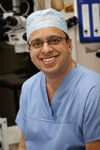
Mr A Ahmed
MB ChB, MRCS, FRCS (ORL-HNS)Mr Ahmed has trained as an ENT Surgeon with subsequent Fellowship training in Facial Plastic & Reconstructive Surgery in America and Europe.




EAFPS
European Academy Fellowship of Facial Plastic and Reconstructive Surgery
RCSEd
Fellow of the Royal College of Surgeons of Edinburgh
ENT UK
The professional membership body promoting excellence in ENT
Book my Consultation

Book a consultation now, fill in your details and we’ll call you back. Start discovering your true self today.
Our opening hours are Monday to Friday 9am-7pm.
- Get to know Mr Ahmed
- All your questions answered
- Get procedures recommendations
- Get advice on next steps
Facial Plastic Surgeon Nottingham – The Park Hospital
The Park HospitalSherwood Lodge Drive
Burntstump Country Park
NG5 8RX Find out more
Facial Plastic Surgeon Nottingham – Woodthorpe Hospital
Woodthorpe Hospital748 Mansfield Road
Nottingham
NG5 3FZ Find out more